Our Experience Working With Mental Health:
Some mental health conditions we continue to work with include:
- Anxiety disorders (e.g., PTSD, Generalised anxiety, OCD)
- Depressive disorders (e.g., Melancholia, Dysthymia, Psychotic depression)
- Bipolar disorder (e.g., Type I, Type II, Cyclothymic disorder, Mixed episodes)
- Psychotic disorders (e.g., Schizophrenia disorder, Psychotic depression)
- Schizoaffective disorder (e.g., Depression and Bipolar type)
- Neurodevelopmental Disorders (e.g., ADHD)
- Personality disorders (e.g., Borderline disorder)
- Gender dysphoria
- Eating disorders (e.g., Anorexia, Bulimia, Binge eating)
Exercise and Mental Health:
Exercise interventions are designed to help manage mental health conditions by:
- Establishing a healthy daily routine and optimizing physical conditioning.
- Reducing some medication related side effects.
- Managing Co-morbidities (e.g., Cardiovascular conditions, Obesity, Osteoarthritis).
- Improving quality of life.
- Foster independence and improve mood.
- Increase confidence and self-efficacy.
- Improved stress management and resilience.
- Reduce pain and fatigue.
- Increase body image satisfaction.
What Type of Exercise?
There is no one size fits all approach as everyone’s experience is different. We adapt a client-centered approach by applying the following:
- Participants preferences (e.g., time of exercise, type of exercise, privacy, sex of EP).
- Social aspect (e.g., exercise individually or in a group, exercise with a friend).
- Enjoyment (e.g., larger variety of exercises, consistent programming to see improvement).
- Exercise history (e.g., exercises done in the past which were liked or disliked).
Exercise Physiologists Role:
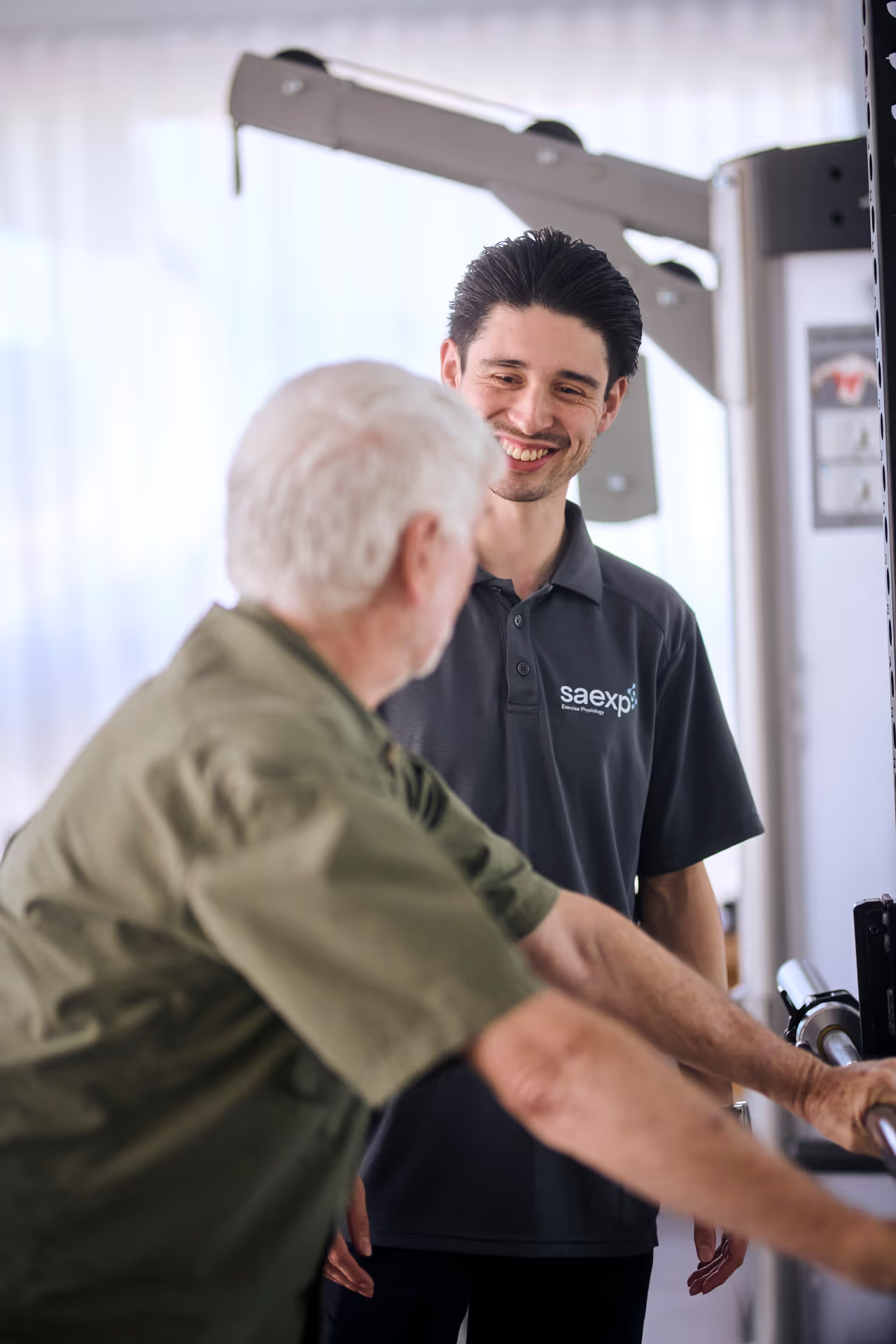
Exercise is a well-known and widely used treatment for mental wellbeing, yet many people with mental health conditions remain unaware of its benefits or need support to get started. As Exercise Physiologists, we play a key role in guiding clients through this process, working collaboratively to introduce exercise and educate them on what to expect. We ensure that every program is effective, achievable, and enjoyable. Understanding that gym environments can feel intimidating, our clinic offers private rooms designed to make you feel safe and supported as you build confidence and self-efficacy.