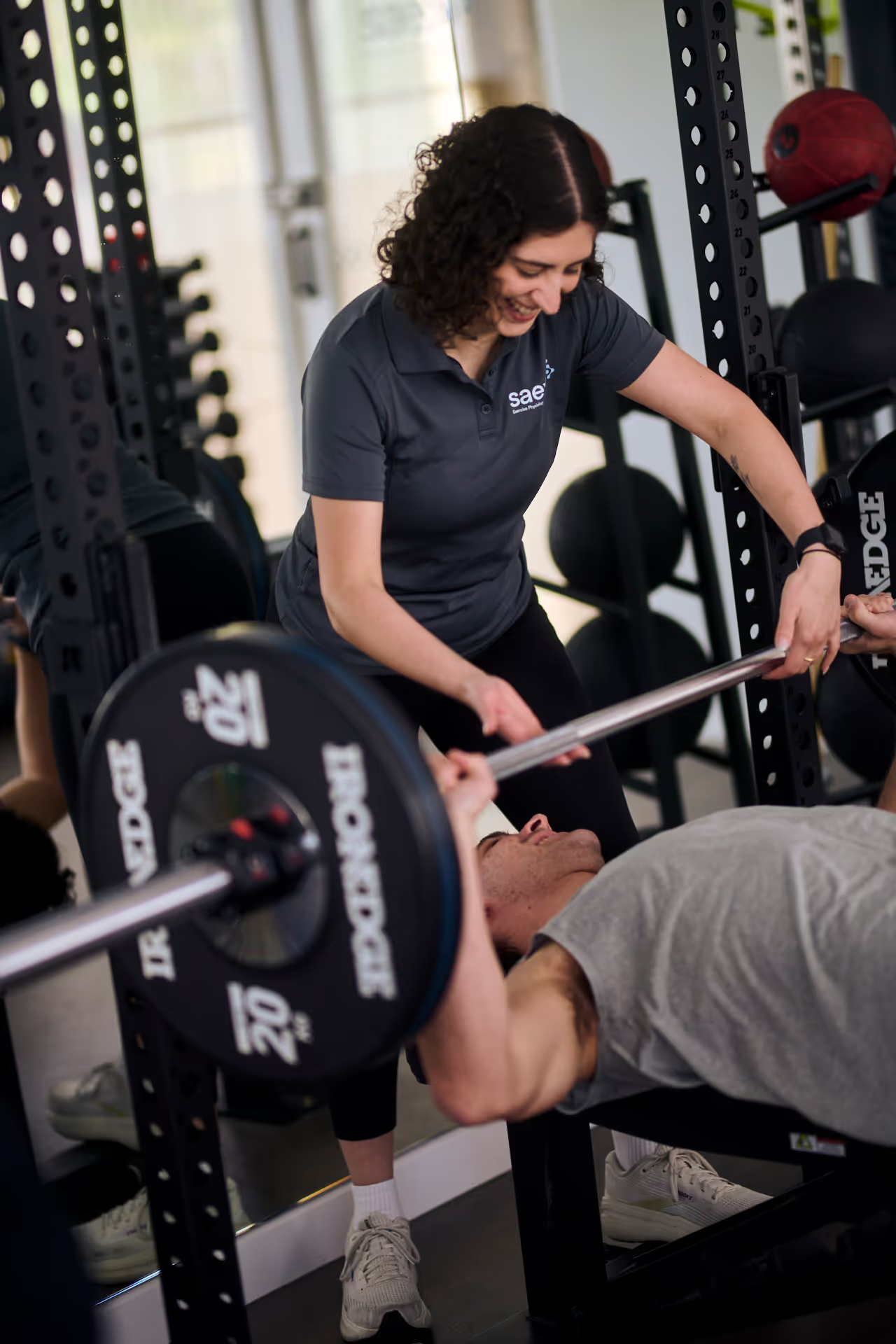
Exercise, Cancer and You
Exercise pre-, during, and post-treatment is shown to help the side effects and symptoms that may occur even though it may be the last thing on your mind. Exercise when done correctly, is safe to partake in at all stages of diagnosis. Exercise can help physical function so that you can get back to activities of daily living, it can also improve the response to treatment (some cancers) and prevent the risk of cancer returning. We work with you to find the correct “dose” of exercise that does not interfere with your life. Research shows that exercise can help in managing the following:
- Fatigue
- Mental Health and Wellbeing
- Post-operative recovery
- Reduced hospital stays and readmissions
- Reduced post-operative complications
- Post-treatment recovery
- Activities of daily living (ADLs)
- Cardiotoxicity from treatment
- Improved muscular strength
- Improved and maintained bone density
- Treatment administration
Our programs are tailored to your abilities, current health status and stage of diagnosis. Supervised exercise allows us to provide regular support whilst creating an open channel of communication.
Cancer Types
Research shows that exercise can help those living with cancers such as breast, prostate, lung, colorectal, brain, blood. The list is extensive. We follow guidelines and exercise considerations to ensure that you are getting the correct care.
What Exercise should I be doing?
Exercise can vary for each individual person and their diagnosis. Current guidelines suggest that exercises that can help people with cancer typically include:
- Strength training: To maintain or rebuild muscle mass and improve functional ability.
- Aerobic (cardio) exercise: To boost cardiovascular health, reduce fatigue, and improve endurance.
- Flexibility and stretching: To enhance range of motion and reduce stiffness.
- Balance and coordination exercises: To prevent falls and improve stability.
- Gentle mind-body practices: Such as yoga or tai chi, which can reduce stress and improve mental wellbeing.
All exercises should be tailored to the individual’s treatment stage, fitness level, and specific needs.
Exercise Physiologists Role:
Working with an Exercise Physiologist specifically benefits people with cancer because we understand the unique physical challenges and treatment side effects they face. We design personalised, safe exercise programs that accommodate your treatment plan, medical history, and current condition. We closely monitor your response to exercise, adjust intensity as needed, and provide ongoing support to help manage symptoms like fatigue, maintain muscle strength, and improve overall quality of life throughout your cancer journey.

.jpeg)