Chronic Pain
Common causes of chronic pain include musculoskeletal conditions such as arthritis, back or neck pain, and injuries that haven’t fully healed. It can also result from nerve-related issues like neuropathy or sciatica, chronic illnesses such as fibromyalgia or endometriosis, and sometimes persists even after the original cause has resolved due to changes in the nervous system. Pain can present in different forms including:
- Localised - back, joints, neck
- Widespread - Fibromyalgia, Polymyalgia Rheumatica / PMR
- Constant or intermittent
- Mild to severe
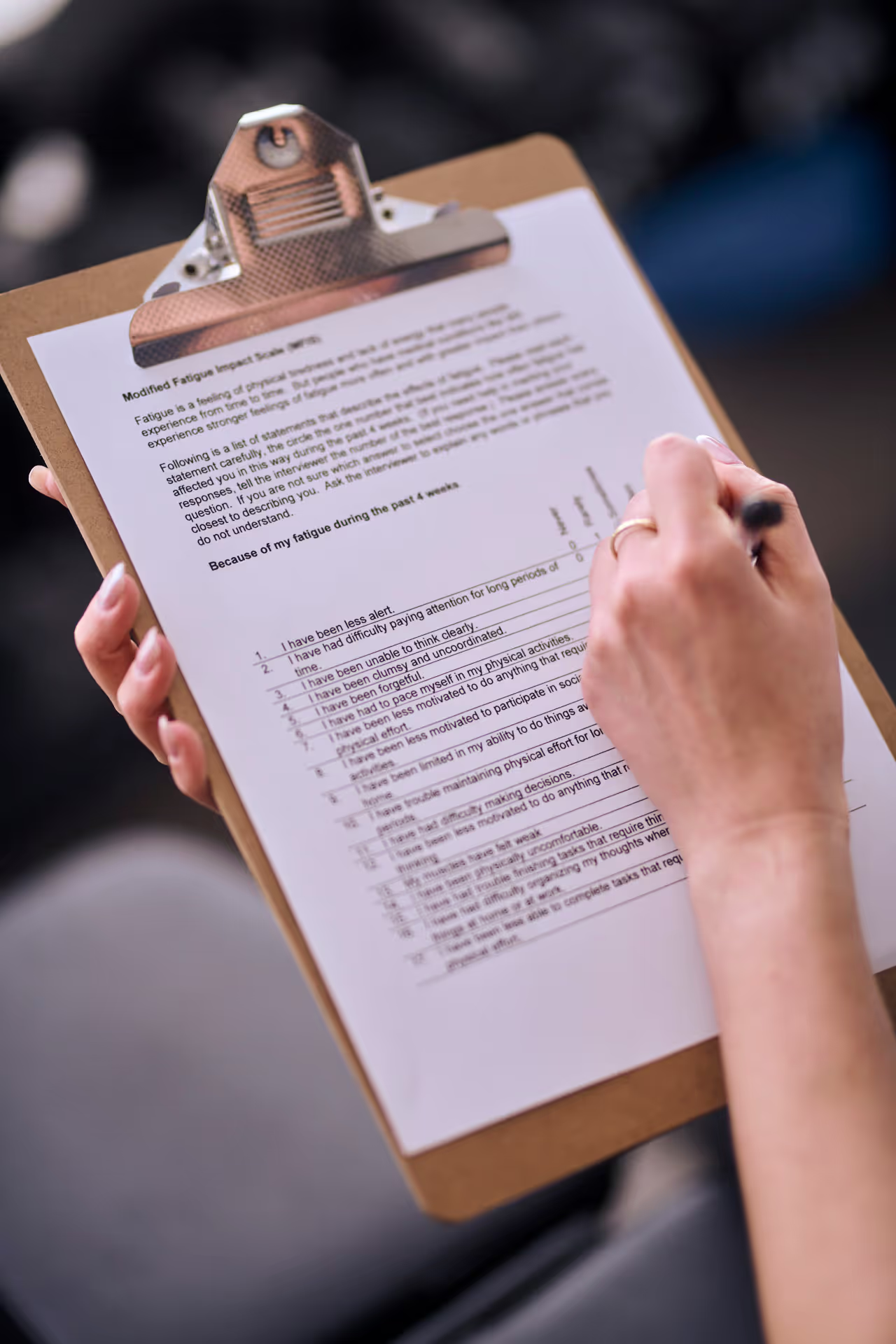
Chronic Fatigue
Is identified as a complex condition categorised as extreme, persistent fatigue that cannot be improved by rest. This can be recognised as both physical and/or mental exhaustion limiting daily function. Fatigue can be a standalone condition (e.g., Chronic Fatigue Syndrome (CFS/ME)) or a symptom of another illness (e.g., Cancer or Depression). Symptoms may include:
- Mental “fog”
- Muscle aches
- Sleep problems
- Dizziness or post-exertional malaise (worsening after activity)
Exercise – Chronic Fatigue and Pain
So how can exercise help if you’re experiencing chronic fatigue or pain? We’ll work with you to identify the triggers that worsen your symptoms and help you exercise safely within your limits to prevent flare-ups. Together, we’ll develop self-management strategies, such as pacing and planning your weekly routine, to support consistency and recovery. Every exercise program is tailored to your individual needs and presentation, ensuring you can move safely and confidently toward better health.
When prescribed correctly, exercise can improve the following:
- Increasing strength and mobility, which supports joints and reduces strain on the body.
- Improving circulation and energy levels, helping reduce feelings of fatigue.
- Releasing endorphins, which act as natural pain relievers and improve mood.
- Enhancing sleep quality and recovery, supporting overall wellbeing.
- Building resilience and confidence to manage symptoms and daily activities more effectively.
What will you be doing?
- Learn how pacing can help you prevent and manage symptom “flare-ups” or energy “crashes.”
- Low-impact aerobic exercise.
- Stretching and mobility.
- Strength training.
Keeping an activity journal to monitor patterns of fatigue and/or pain are a highly useful tool that we can explore together. It is important to note that pacing and consistency are key. Over exhaustion can worsen symptoms in some conditions but with exercise guidance and starting slow we can build gradually and achieve our goals.